Begin of page section:
Page sections:

  • Go to contents (Accesskey 1)
  • Go to position marker (Accesskey 2)
  • Go to main navigation (Accesskey 3)
  • Go to sub navigation (Accesskey 4)
  • Go to additional information (Accesskey 5)
  • Go to page settings (user/language) (Accesskey 8)
  • Go to search (Accesskey 9)

End of this page section. Go to overview of page sections

Begin of page section:
Page settings:

English en
Deutsch de
Search
Login

End of this page section. Go to overview of page sections

Begin of page section:
Search:

Search for details about Uni Graz
Close

End of this page section. Go to overview of page sections


Search

Begin of page section:
Main navigation:

Page navigation:

  • University

    University
    • About the University
    • Organisation
    • Faculties
    • Library
    • Working at University of Graz
    • Campus
    Developing solutions for the world of tomorrow - that is our mission. Our students and our researchers take on the great challenges of society and carry the knowledge out.
  • Research Profile

    Research Profile
    • Our Expertise
    • Research Questions
    • Research Portal
    • Promoting Research
    • Research Transfer
    • Ethics in Research
    Scientific excellence and the courage to break new ground. Research at the University of Graz creates the foundations for making the future worth living.
  • Studies

    Studies
    • Prospective Students
    • Students
  • Community

    Community
    • International
    • Location
    • Research and Business
    • Alumni
    The University of Graz is a hub for international research and brings together scientists and business experts. Moreover, it fosters the exchange and cooperation in study and teaching.
  • Spotlight
Topics
  • Our digital Advent calendar
  • Sustainable University
  • Researchers answer
  • Work for us
Close menu

End of this page section. Go to overview of page sections

Begin of page section:
You are here:

University of Graz The 7th Faculty News Stop Covid-19
  • For scientists
  • For science enthusiasts
  • About the 7th Faculty
  • Accompanying research
  • Contact and team
  • News
  • Events

End of this page section. Go to overview of page sections

Monday, 02 November 2020

Stop Covid-19

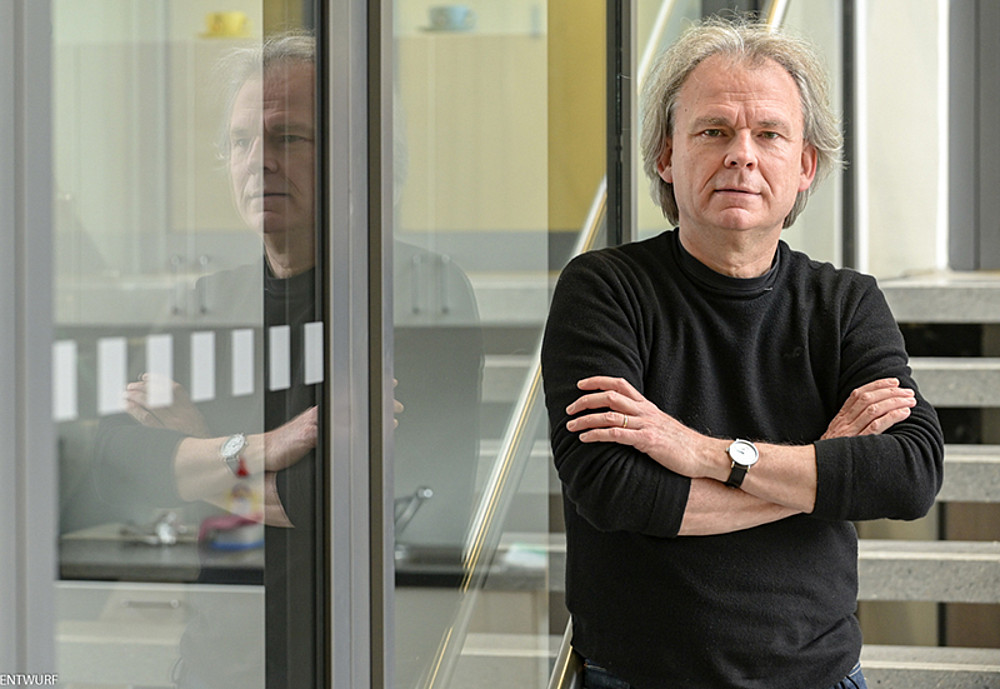
Andreas Kungl ist zuversichtlich, dass 2021 ein Wirkstoff für Covid-19-PatientInnen mit schwerem Krankheitsverlauf verfügbar sein könnte. Foto: Uni Graz/Tzivanopoulos.

Andreas Kungl ist zuversichtlich, dass 2021 ein Wirkstoff für Covid-19-PatientInnen mit schwerem Krankheitsverlauf verfügbar sein könnte. Foto: Uni Graz/Tzivanopoulos.

Universität Graz verzeichnet erste Erfolge im Kampf gegen das Coronavirus

Im Wettlauf zur weltweiten Wirkstoffsuche gegen SARS-CoV-2, den Auslöser der Krankheit Covid-19, kann die Universität Graz erste Erfolge erzielen. Im Forschungsprojekt Stop Covid-19 am Institut für Pharmazeutische Wissenschaften – es wird begleitet von einer Fundraising-Kampagne – hat Andreas Kungl mit seinem Team einen Wirkstoff, der die Infektion mit dem Virus hemmen kann, erfolgreich getestet. „Dieser Forschungsfortschritt stimmt zuversichtlich, 2021 einen Wirkstoff für PatientInnen mit schwerem Krankheitsverlauf verfügbar machen zu können“, erklärt Projektleiter Kungl.

>> Zum Spendenportal

Kungl und seine Forschungsgruppe beschäftigen sich schon lange mit speziellen Zuckermolekülen, den sogenannten Glykanen, als Wirkstoffträger. „Zurzeit sehen wir in unseren Experimenten, dass die diese Glykane die Infektion von Ziel-Zellen dosisabhängig nahezu vollständig verhindert“, beschreibt Kungl. „Wir messen die Inhibition indirekt anhand der Replikation des Virus. Das bedeutet, wir sehen uns an, wie stark das Virus nach Vermehrung in der Zelle wieder ausgeschleust wird, wenn wir die Viren vorher mit der Substanz behandeln. Hier gibt es eine signifikante Inhibition, verglichen mit den unbehandelten Zellen“, resümiert der Wissenschafter. Die aktuellen Ergebnisse stimmen nun zuversichtlich: „Unser Ansatz ist richtungsweisend und hat das Potenzial, entscheidend zur Bekämpfung der Krankheit beizutragen“, so der Forscher.


Spitzenforschung in Graz fördern

Mit der Unterstützung der SpenderInnen der Fundraisingkampagne konnte kürzlich ein Real-Time PCR Instrument zur hochsensitiven Bestimmung der viralen Nukleinsäure, die als Maß für den zellulären Befall herangezogen wird, angekauft werden. Doch der Weg bis zum Medikament ist noch weit: „Die Fundraising-Aktion soll weiterhin dazu beitragen, diese wesentliche Forschungsarbeit finanziell zu unterstützen und damit zu beschleunigen“, erklärt Peter Riedler, Vizerektor für Finanzen, Personal und Standortentwicklung der Universität Graz. Am aktuellen Projekt beteiligt ist auch Kurt Zatloukal vom Diagnostik- und Forschungsinstitut für Pathologie der Medizinischen Universität Graz.

Unter fundraising.uni-graz.at/de/stop-covid-19/ kann weiterhin für das Forschungsprojekt Stop Covid-19 gespendet werden.

>> Update: Stop Covid-19 Video

created by Gerhild Leljak

Related news

Happy holidays and a wonderful New Year!

The 7th Faculty wishes you a Merry Christmas and a happy New Year. Here you will find an overview of the holiday opening hours of our Hands-on Labs and the university museums.

Extern Intern

From Dinosaurs to Democracy: Reading and Discussion at the Literaturhaus

On Tuesday evening, the Literaturhaus Graz hosted a reading and discussion of the book The Beauty and Elegance of the Austrian Federal Constitution. A Literary Commentary. The venue was filled to capacity, every seat taken, with an attentive and open atmosphere throughout the evening.

“Chemical Life”: University of Graz Christmas Chemistry Show Captivates Audience

Festive spirit met scientific fascination as this year’s edition of the Christmas chemistry show “Chemical Life” transformed the stage of the Schauspielhaus into a lively laboratory. School classes and numerous other guests enjoyed an evening of surprising experiments and vivid insights into the chemistry of everyday life.

Schüler:innen zwischen 10 und 14 Jahren Studierende/Student:innen Wissenschaftskommunikation

Science goes Social II: Recap of a successful workshop series

The lunchtime workshop series “Science goes Social II” brought together three different perspectives on science communication this year. From personal branding to social media strategies, researchers gained valuable insights into how they can make their work and their institutions more visible on social media. The series will continue in 2026.

Wissenschaftler:innen Digitales (Social Media) Workshops Wissenschaftskommunikation

Begin of page section:
Additional information:

University of Graz
Universitaetsplatz 3
8010 Graz
Austria
  • Contact
  • Web Editors
  • Moodle
  • UNIGRAZonline
  • Imprint
  • Data Protection Declaration
  • Accessibility Declaration
Weatherstation
Uni Graz

End of this page section. Go to overview of page sections

End of this page section. Go to overview of page sections

Begin of page section:

End of this page section. Go to overview of page sections